
Spain & Italy Wine Market Intelligence: Industry Structure, Global Reach and African Opportunities
Two of Europe's largest wine economies, with very different commercial models. This research compares market conditions in Spain and Italy, categorizes their leading wine companies, and maps verified distribution presence across Africa and Australia.
- Published
- August 28, 2026
- Reading time
- 10 min read
- Region
- Europe, Africa & Australia
- Industry
- Wine, Beverages & FMCG
- Author
- Momentum Miles Research
- Spain currently has stronger economic momentum in the euro zone, while Italy remains economically important but constrained by long-standing structural issues.
- Italian wine exports were worth about €8.1 billion in 2024, easing to around €7.7 billion in 2025; Spain's export value is approximately €2.95 billion despite comparable volume leadership.
- Italy earns more from wine because it exports higher-priced premium wines and stronger international brands; Spain sells more of its volume in bulk at lower average prices.
- Leadership differs by dimension — revenue, export volume, production scale and international prestige each produce a different company ranking, and several groups appear in more than one.
- Lagos, Johannesburg, Nairobi, Casablanca, Accra, Cairo and Kigali are the most consistently verified African hubs; Melbourne and Sydney dominate in Australia.
Two economies, two trajectories
In 2026, Spain and Italy remain two of Europe's major economies, but their market performance differs significantly. Spain is currently growing faster and is considered one of the strongest-performing economies in the euro zone, driven by strong domestic demand, investment, immigration-supported labor growth, expanding service exports, tourism and renewable energy development. It benefits from a relatively resilient labor market and increased renewable energy capacity, while still facing rising housing costs, inflation pressures linked to energy prices and long-term demographic concerns.
Italy has a more stable but slower-growing economy. Its market continues to rely heavily on manufacturing, public investment programs, luxury goods, fashion and food exports. Italy faces deeper structural challenges, including high public debt, weak productivity growth, aging demographics and high energy costs that continue to affect industrial competitiveness. Verified 2026 economic reporting from organizations such as the IMF and OECD shows that Spain currently has stronger economic momentum, while Italy remains economically important but constrained by long-standing structural issues.
The economic value of wine
The wine industry has enormous economic value for both countries, especially through exports, tourism, agriculture and international trade. Italy is currently the world's leading wine producer and one of the world's top wine exporters by value.
- Italian wine exports, 2024 (OIV)
- €8.1BItalian wine exports, 2024 (OIV)
- Italian wine exports, 2025
- €7.7BItalian wine exports, 2025
- Spanish wine export value (OIV)
- €2.95BSpanish wine export value (OIV)
In 2024, Italian wine exports were worth about €8.1 billion based on reporting from the International Organization of Vine and Wine, making wine one of the country's most valuable agricultural export industries, though the figure reduced to around €7.7 billion in 2025 after export decline pressures driven by changing consumer preference. Italy's wine sector supports thousands of wineries, vineyards, restaurants, tourism businesses, logistics companies and luxury brands across regions such as Tuscany, Veneto, Piedmont and Sicily. Wine also contributes strongly to Italy's global image and “Made in Italy” branding.
Spain also has a highly valuable wine industry and remains one of the world's top three wine exporters and producers, exporting huge volumes globally and holding one of the largest vineyard areas in the world. Spain generally earns less export revenue than Italy because much of its wine is sold at lower average prices and in bulk quantities. According to OIV data, Spain's wine export value is approximately €2.95 billion, compared to Italy's nearly €8 billion.
Both countries rely heavily on wine for exports, agriculture, tourism, rural employment and international trade influence, and both benefit from wine tourism that attracts millions of visitors each year to vineyards, festivals, wineries and rural regions. Despite this importance, the global wine market faces challenges in 2026 from declining wine consumption, inflation, changing consumer habits among younger generations, and trade tensions affecting exports.
Italy: industry leaders by dimension (2025/2026)
Italy's leading wine companies are dominated by large cooperatives, export-heavy producers, premium wine houses and sparkling wine groups. Verified industry rankings place the companies below among the largest in Italy by turnover and international presence.
| Revenue | Export volume | Production scale | Prestige & global presence |
|---|---|---|---|
| Cantine Riunite & CIV | Fantini Group | Cantine Riunite & CIV | Marchesi Antinori |
| Argea Group | Argea Group | Caviro Group | Frescobaldi |
| Italian Wine Brands (IWB) | Ruffino | Terre Cevico | Ornellaia |
| Caviro Group | Fratelli Castellani | La Marca | Tenuta San Guido |
| Marchesi Antinori | Italian Wine Brands | Collis Veneto Wine Group | Banfi |
| Cavit | Gruppo Italiano Vini (GIV) | Cavit | Mionetto |
| Herita Marzotto Wine Estates | Zonin1821 | Mezzacorona | Ruffino |
| La Marca | Mionetto | Cadis 1898 | Zonin1821 |
| Terre Cevico | Banfi | Cantine Ermes | Bottega |
| Mezzacorona | Villa Sandi | Serena Wines 1881 | Gruppo Lunelli |
Revenue rankings reflect total turnover, acquisitions, broad portfolios and domestic and international sales scale, consistent with Mediobanca and Corriere rankings. Export-oriented firms in the second column generate very high percentages of revenue from foreign markets, with some exceeding 90% export exposure.
Spain: industry leaders by dimension (2025/2026)
| Revenue | Export volume | Production scale | Prestige & global presence |
|---|---|---|---|
| García Carrión | García Carrión | García Carrión | Familia Torres |
| Félix Solís Avantis | Félix Solís Avantis | Félix Solís Avantis | Vega Sicilia |
| Freixenet | Freixenet | Freixenet | Marqués de Riscal |
| Codorníu Raventós | Codorníu Raventós | Codorníu Raventós | CVNE |
| Familia Torres | Familia Torres | Juvé & Camps | Faustino Group |
| González Byass | Campo Viejo | Campo Viejo | González Byass |
| CVNE | CVNE | Bodegas Lan | Freixenet |
| Faustino Group | Ramón Bilbao | Grupo Yllera | Codorníu Raventós |
| Osborne | Martín Códax | Perelada | Pago de Carraovejas |
| Marqués de Riscal | Barbadillo | Bodegas Protos | Emilio Moro |
These categories overlap in some cases because many wine companies dominate across multiple dimensions simultaneously — Marchesi Antinori leads on both premium global prestige and revenue, while García Carrión leads on both production scale and export volume. For anyone assessing partners, that overlap matters: a company's rank depends entirely on which question is being asked.
Africa: where verified distribution already exists
Several of the major Italian and Spanish wine companies above have verified commercial distribution, importer partnerships, regional offices or strong export operations across Africa. The locations below are those publicly listed or officially confirmed.
Italian companies
- Marchesi Antinori
- Lagos, Nigeria; Nairobi, Kenya; Accra, Ghana; Johannesburg, South Africa; Kigali, Rwanda; Kampala, Uganda; Casablanca, Morocco; Addis Ababa, Ethiopia; Kinshasa, DR Congo; Yaoundé, Cameroon; Mahé, Seychelles; Mauritius (Pamplemousses region). The company publicly lists official African distributors and importer partners for these locations.
- Mionetto
- South Africa, Nigeria, Kenya and Morocco. Mionetto Prosecco is widely distributed through premium wine importers and hospitality networks across major African urban markets, especially luxury hotels and restaurants.
- Zonin1821
- South Africa, Nigeria, Kenya and Mauritius, imported through beverage distributors and luxury retail chains.
- Banfi
- South Africa, Morocco and Kenya, especially visible in high-end hospitality and restaurant sectors.
Spanish companies
- Freixenet
- South Africa, Nigeria, Kenya, Morocco, Egypt and Ghana, distributed through supermarket chains, hotels, bars and beverage importers. One of the most internationally distributed Spanish sparkling wine brands.
- Familia Torres
- South Africa, Morocco, Nigeria and Kenya, strongly represented in premium hospitality and fine-dining sectors.
- García Carrión
- Nigeria, South Africa, Angola and Morocco, exporting large wine volumes into African wholesale and retail markets.
- Félix Solís Avantis
- Nigeria, Kenya, South Africa, Ivory Coast and Morocco. The company is one of Spain's strongest global exporters by volume.
- Codorníu Raventós
- South Africa, Morocco and Nigeria, distributing cava and premium wines through importer networks and hospitality channels.
The most consistently verified African hubs for these companies are Lagos, Johannesburg, Nairobi, Casablanca, Accra, Cairo and Kigali. These cities serve as major wine-import and hospitality distribution centers for European wine companies across the continent.
Australia: an established, concentrated route to market
Among the leading Italian and Spanish wine companies, the following have the clearest verified major commercial presence in Australia through official distributors, import networks, hospitality supply chains, retail partnerships and national wine distribution systems.
| Company | Origin | Verified cities |
|---|---|---|
| Marchesi Antinori | Italy | Sydney, Melbourne, Brisbane, Perth |
| Frescobaldi | Italy | Melbourne, Sydney, Brisbane, Hobart, Perth |
| Mionetto | Italy | Melbourne, Sydney, Adelaide, Brisbane |
| Zonin1821 | Italy | Sydney, Melbourne, Brisbane |
| Banfi | Italy | Sydney, Melbourne, Perth |
| Ruffino | Italy | Melbourne, Sydney |
| Freixenet | Spain | Sydney, Melbourne, Brisbane, Adelaide, Perth |
| Familia Torres | Spain | Melbourne, Sydney, Brisbane |
| Codorníu Raventós | Spain | Sydney, Melbourne |
| CVNE | Spain | Melbourne, Sydney |
| Marqués de Riscal | Spain | Sydney, Melbourne |
Frescobaldi is officially distributed in Australia through Arquilla Wines, one of Australia's leading Italian wine distributors. Antinori and Ruffino are distributed nationally through premium importers and hospitality distributors. Freixenet holds one of the strongest Spanish wine and cava distribution footprints in Australia through national retail and liquor chains.
The most consistently verified Australian commercial hubs are Melbourne, Sydney, Brisbane, Perth and Adelaide. Melbourne and Sydney are the dominant centers because they host Australia's largest premium wine importers, Italian food-and-wine distributors, luxury hospitality buyers and restaurant markets.
What this means
The Spain–Italy comparison is a useful reminder that volume leadership and value leadership are different achievements, produced by different commercial models. For a producer, a distributor or an investor, the practical questions follow from that: which dimension of leadership does the business actually compete on, which hubs already carry comparable products, and which importer relationships determine whether a listing is possible at all. Distribution presence, not production capability, is usually the constraint.
Sources
- International Organization of Vine and Wine (OIV) export value data, as cited in the supplied research (oiv.int).
- IMF and OECD 2026 economic reporting, as cited in the supplied research.
- Mediobanca and Corriere industry rankings, as cited in the supplied research.
- Company distribution disclosures cited in the supplied research: Antinori, alessibeverages.com.au, wine.arquilla-wine.com.au, italiquore, combinedwines.com.au, Franc About Wine.
- Momentum Miles Research.
Considering what this means for your organization?
Momentum Miles works with leaders evaluating markets, corridors and expansion decisions — turning intelligence into a defensible commercial position.
Related insights.
Singapore Market & Trade Intelligence: Positioning Across Asia and Emerging Trade Corridors
Singapore's economy, trade structure and principal partners, plus the MERCOSUR corridor and the Singapore–Australia Free Trade Agreement.
August 25, 2026 · 11 min read
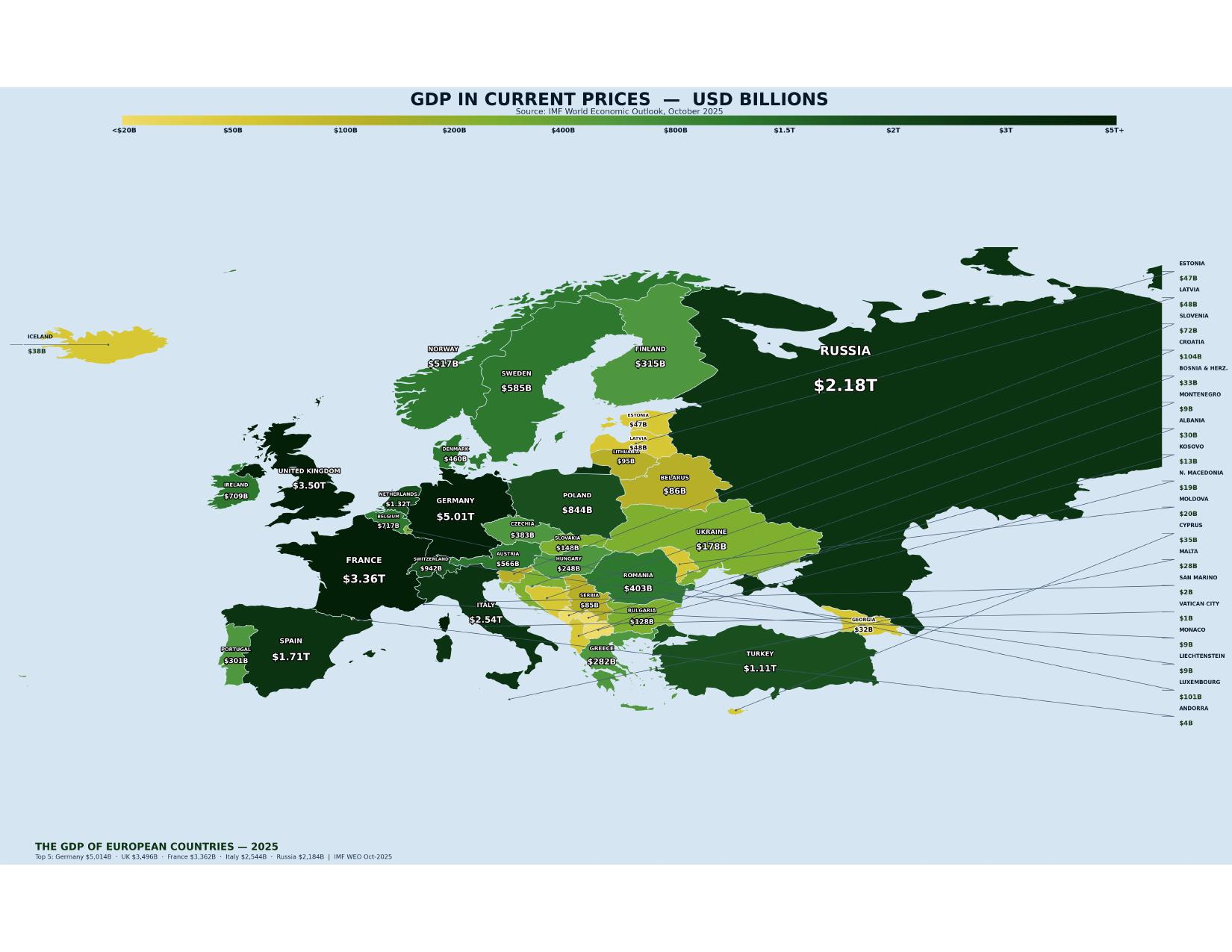
Europe GDP 2025: Understanding the Regional Economic Landscape
Nominal GDP across European economies, the region's concentration of scale, and why macroeconomic size must be paired with industry-specific intelligence.
August 14, 2026 · 5 min read
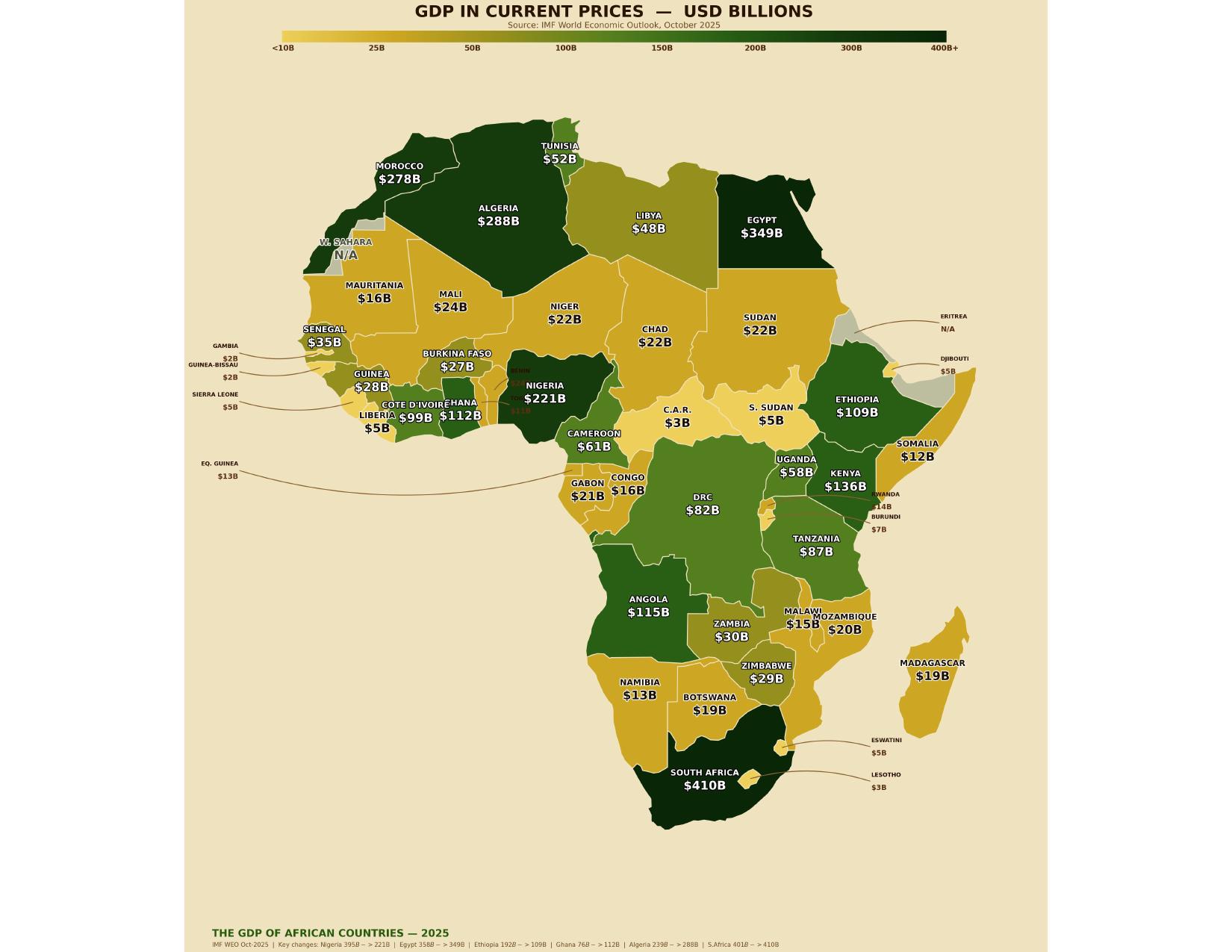
Africa GDP 2025: Mapping Economic Scale Across the Continent
Nominal GDP across African economies in current prices, and how macroeconomic scale should be used as one input into market prioritization.
August 12, 2026 · 5 min read